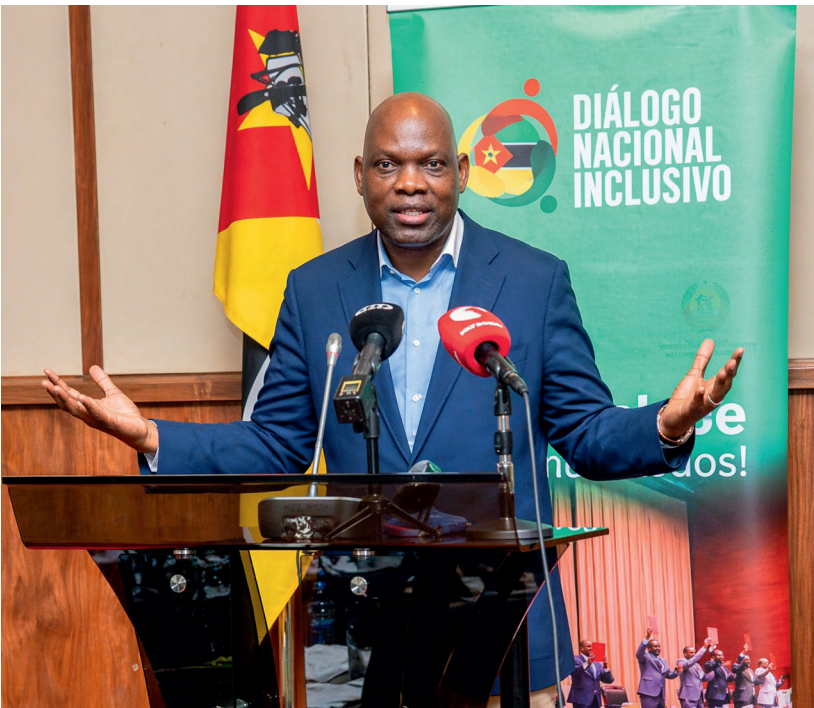



This position was articulated during an event held on Friday, 17 April 2026, co-organised by the National Human Rights Commission (CNDH), the Centre for Democracy and Human Rights (CDD), and the Mozambican Human Rights Defenders Network (RMDDH), within the framework of the Inclusive National Dialogue. On that occasion, Prof. Adriano Nuvunga, Chairperson of RMDDH, delivered the opening remarks, setting the tone of the meeting by placing transitional justice at the heart of the national debate and emphasising its urgency as a necessary condition to address past violations and prevent the recurrence of political violence in the country.Mozambique is currently at one of the most delicate moments in its recent political trajectory. The period following the 2024 elections revealed, unequivocally, not only deep institutional fragilities but also a serious human rights crisis that, to date, remains without an adequate response.According to various national and international election observation reports, the 2024 electoral process was marked by significant shortcomings in its organisation and credibility. However, more concerning than the electoral process itself was what followed.Over a period of approximately three months of protests, more than 500 citizens lost their lives, in circumstances that largely involved the use of force by state agents. To date, these lives remain without justice. Families continue to wait for answers, and survivors remain invisible.This situation is not merely a matter of security. It is, above all, a crisis of justice.